

Jones Injury Attorneys | September 7, 2026 | Car Accidents
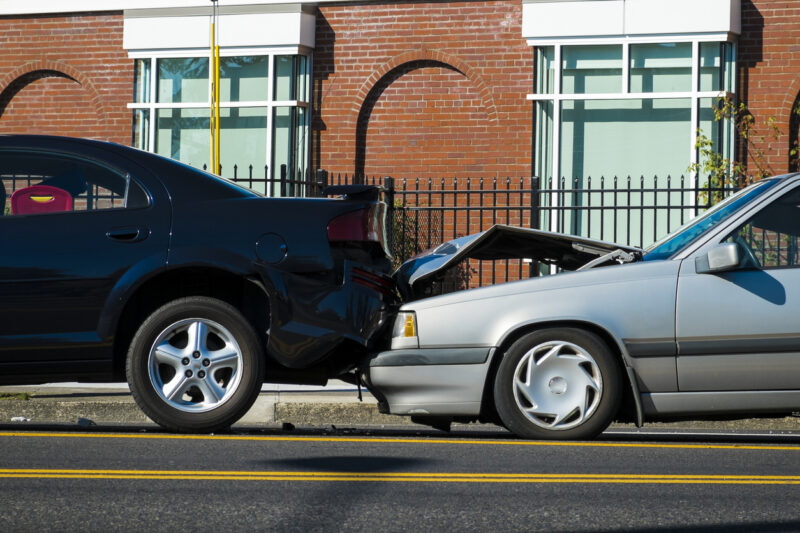
Rear-end collisions are among the most common types of car accidents. They can happen at stoplights, in heavy traffic, at intersections, or when one driver fails to notice that traffic ahead has slowed down.
Even a seemingly minor rear-end crash can cause injuries, vehicle damage, and unexpected expenses. Some injuries may not become obvious until hours or days after the collision. Knowing what to do afterward can help protect your health and preserve your ability to pursue compensation if another driver was responsible.
Check for Injuries and Call 911
Your safety should be your first priority after a rear-end collision. Check yourself and your passengers for injuries. If anyone needs emergency medical attention, call 911 immediately.
Even if no one appears seriously injured, reporting the accident to law enforcement may be important. An officer can investigate the scene, speak with the drivers and witnesses, and prepare an accident report. That report may later provide useful information when you file an insurance claim.
Avoid making unnecessary movements if you have severe neck, back, or head pain while waiting for emergency responders.
Move to a Safe Location If Possible
If your vehicle is blocking traffic and can be moved safely, pull over to a secure location nearby. Turn on your hazard lights and remain aware of passing vehicles.
However, do not leave the accident scene. Leaving before exchanging information or complying with applicable reporting requirements could create additional problems.
If the vehicles cannot be moved, remain somewhere safe and wait for law enforcement or emergency personnel to arrive.
Exchange Information With the Other Driver
Obtain the other driver’s identifying and insurance information.
You should generally collect:
- The driver’s name and contact information
- Driver’s license information
- Insurance company and policy information
- License plate number
- Vehicle make, model, and color
- Contact information for any witnesses
Keep your conversation with the other driver brief. Avoid arguing about what happened or admitting fault. Even casual statements can potentially become an issue during an insurance claim.
Document the Accident Scene
Evidence from the scene can help establish how the rear-end collision occurred. If you are physically able to do so, take photographs or videos before leaving.
Document the damage to both vehicles, their positions, skid marks, traffic signals, road conditions, nearby signs, and any visible injuries. You may also want to write down what happened while the details are fresh in your memory.
If nearby businesses or homes have security cameras, note their locations. Video footage could potentially show the collision.
Seek Medical Attention
Consider getting medical attention after a rear-end accident, particularly if you are experiencing pain or other symptoms. Rear-end crashes are commonly associated with neck and back injuries, including whiplash.
Other potential injuries include:
- Concussions and other traumatic brain injuries
- Shoulder injuries
- Spinal cord injuries
- Herniated discs
- Soft tissue injuries
- Broken bones
- Facial injuries
Some accident injuries have delayed symptoms. For example, you may initially attribute stiffness or soreness to the stress of the collision only to experience worsening symptoms later.
Medical records can also help establish a connection between your injuries and the crash.
Notify Your Insurance Company
Most auto insurance policies require policyholders to report accidents promptly. Notify your insurer and provide basic information about the collision.
Be cautious when speaking with the other driver’s insurance company. An adjuster may request a recorded statement or ask questions about your injuries. You generally do not need to speculate about your condition or minimize symptoms before you understand the full extent of your injuries.
You should also avoid accepting a quick settlement before you know how the accident will affect you financially and physically.
Keep Records of Your Accident-Related Losses
Keep documents related to the collision in one place. These may include medical bills, repair estimates, prescription receipts, insurance correspondence, and records showing time missed from work.
Depending on the circumstances, compensation after a rear-end collision may include medical expenses, lost income, property damage, pain and suffering, and other qualifying losses.
Contact an Albuquerque Car Accident Lawyer at Jones Injury Attorneys for a Free Consultation
Rear-end accidents may appear straightforward, but disputes can arise over fault, injuries, and the value of a claim. The other driver may deny responsibility, or an insurance company may argue that your injuries were caused by something else.
An Albuquerque car accident lawyer can review the circumstances of the collision, explain your legal options, and help you understand the types of compensation that may be available. Contact us today for a free consultation with an attorney in Albuquerque, NM at Jones Injury Attorneys today for a free consultation.
We proudly take cases in all of New Mexico.
Jones Injury Attorneys – Arroyo del Oso Office
8205 Spain Rd NE #111-B, Albuquerque, NM 87109
(505) 578-2620
Available: 24/7
UBER LINK

Jones Injury Attorneys – Downtown
1011 Lomas Blvd NW #106, Albuquerque, NM 87102
(505) 375-2700
Available: 24/7